How Weather Conditions Affect Concrete Delivery and Placement
For those seeking concrete delivery, local contractors can manage weather-related challenges to ensure proper placement and quality of your project.
Understanding how weather conditions affect concrete delivery and placement is essential for property owners planning construction or renovation projects. Unpredictable weather, such as rain, extreme heat, or cold temperatures, can impact the quality and timing of concrete work. For those in the area considering a new driveway, patio, or foundation, knowing how weather might influence these processes helps ensure the project proceeds smoothly and meets expectations. Local contractors experienced in handling weather-related challenges can adapt their methods to protect the integrity of the concrete and maintain a steady schedule, giving property owners peace of mind.
Exploring this topic further reveals practical reasons to work with local service providers who understand the unique weather patterns of the area. They can offer insights into optimal timing and techniques for concrete delivery and placement, reducing the risk of issues like cracking or setting delays. Whether planning a small repair or a large-scale installation, property owners benefit from the expertise of local contractors who know how to navigate weather conditions and deliver quality results. Keep reading to learn how weather influences concrete work and how local pros can help manage these factors effectively.
- Concrete Delivery services are essential when unpredictable weather conditions threaten to delay or compromise the quality of concrete placement, prompting local contractors to adjust timing and methods.
- Weather-sensitive concrete delivery may require local pros to use specialized equipment or techniques to prevent early setting or freezing, ensuring proper curing.
- In cases of high humidity or rain, local service providers can implement protective measures such as coverings or heated trucks to maintain concrete consistency during transport.
- During extreme heat, local pros often modify delivery schedules or incorporate additives to manage rapid setting and maintain workability.
- For cold weather conditions, local contractors can recommend and execute strategies like heated mixing or insulated delivery to ensure concrete remains workable and cures properly.
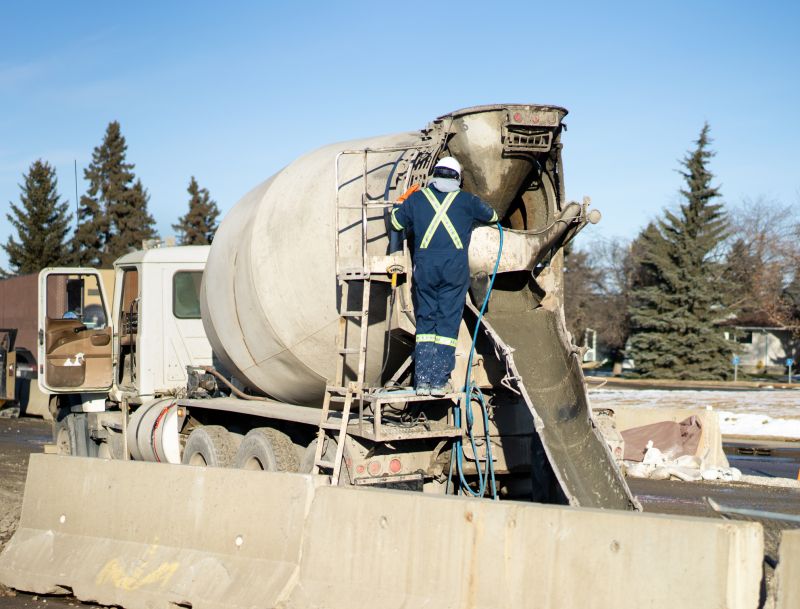
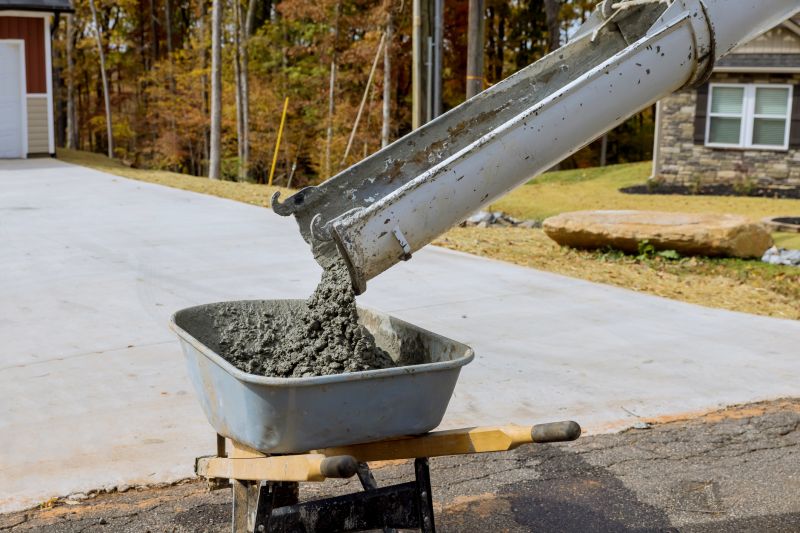
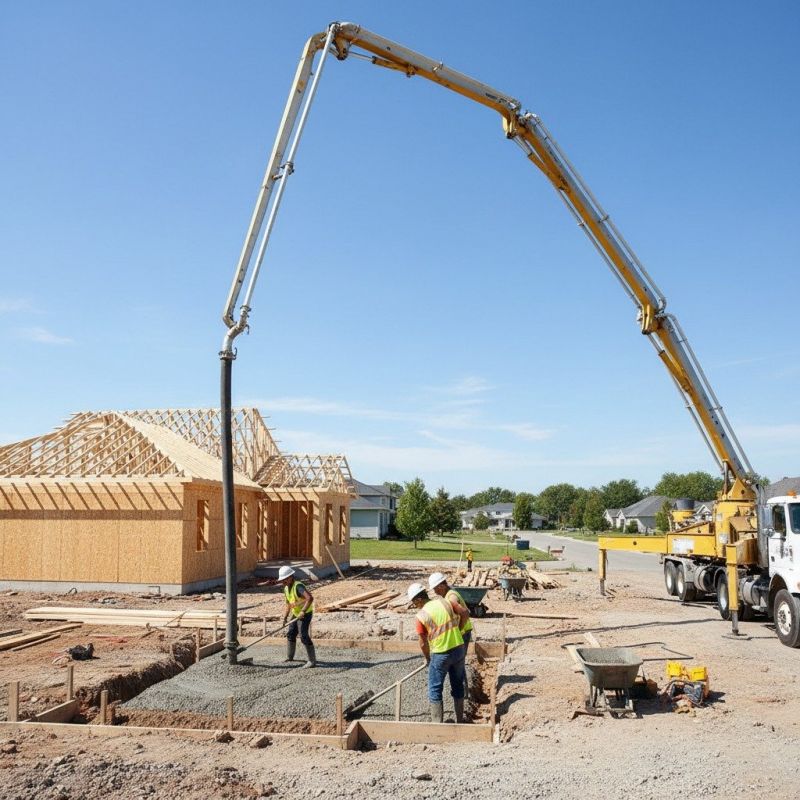
When people search for how weather conditions affect concrete delivery and placement, they often want to understand how different elements like temperature, humidity, rain, and wind can influence their construction or renovation projects. Homeowners planning to pour a new driveway, patio, or foundation typically seek information on how weather might impact the quality of the concrete, the timing of delivery, or the overall success of the project. This topic is especially relevant for those who are scheduling concrete work during seasons with unpredictable or extreme weather, as it helps them anticipate potential challenges and make smarter decisions about timing and preparation.
The problems associated with weather affecting concrete delivery and placement often revolve around delays, compromised strength, or surface imperfections. For example, high temperatures can cause concrete to set too quickly, leading to cracking or difficulty in finishing the surface properly. Conversely, rain or excessive moisture can weaken the mixture or cause uneven curing, which may result in a less durable final product. Wind can also accelerate evaporation, making it harder to maintain proper moisture levels during curing. Homeowners and contractors often need to adjust their plans or seek professional advice to mitigate these issues, ensuring the concrete remains strong and looks good once set.
In addition to weather-related concerns, property types commonly affected by these conditions include residential homes, driveways, patios, walkways, and small commercial projects. Each of these projects has specific requirements for timing, surface finish, and curing conditions. For instance, a homeowner installing a concrete patio might need to consider the forecast to avoid pouring during rain or extreme heat, while someone working on a foundation might require more precise timing to prevent cracking. These properties often involve smaller-scale projects where weather can significantly influence the outcome, making it important to work with local contractors who understand how to adapt to changing conditions.
Understanding how weather conditions affect concrete delivery and placement helps property owners better plan their projects and reduces the risk of costly mistakes. Local service providers experienced in concrete work can offer valuable guidance on scheduling and techniques to counteract weather challenges. They have the knowledge to adjust delivery times, use protective measures, or recommend specific mixes suited for certain conditions. Connecting with these professionals ensures that weather-related issues are managed effectively, leading to a higher-quality finished project that meets expectations despite the challenges posed by the weather.
Foundation Repair Projects - Proper concrete delivery and placement are essential for foundation work, especially when weather conditions can impact curing and stability, making local contractors with weather-aware planning skills valuable.
Bridge Construction - Large-scale bridge projects require precise concrete handling, with weather considerations influencing delivery schedules and placement techniques handled by experienced local service providers.
Commercial Building Developments - These projects demand careful coordination of concrete delivery to accommodate weather-related challenges, ensuring quality placement under varying conditions by local contractors.
Roadway and Pavement Projects - Weather-sensitive concrete placement is critical for durable roads, with local pros equipped to adapt delivery and placement methods based on weather forecasts.
Dams and Water Retaining Structures - The integrity of these structures depends on controlled concrete placement, which requires expertise in managing weather effects during delivery and setting processes.
Industrial Facility Foundations - Heavy-duty concrete placements for industrial projects depend on weather-aware delivery planning, with local service providers capable of adjusting to environmental conditions.
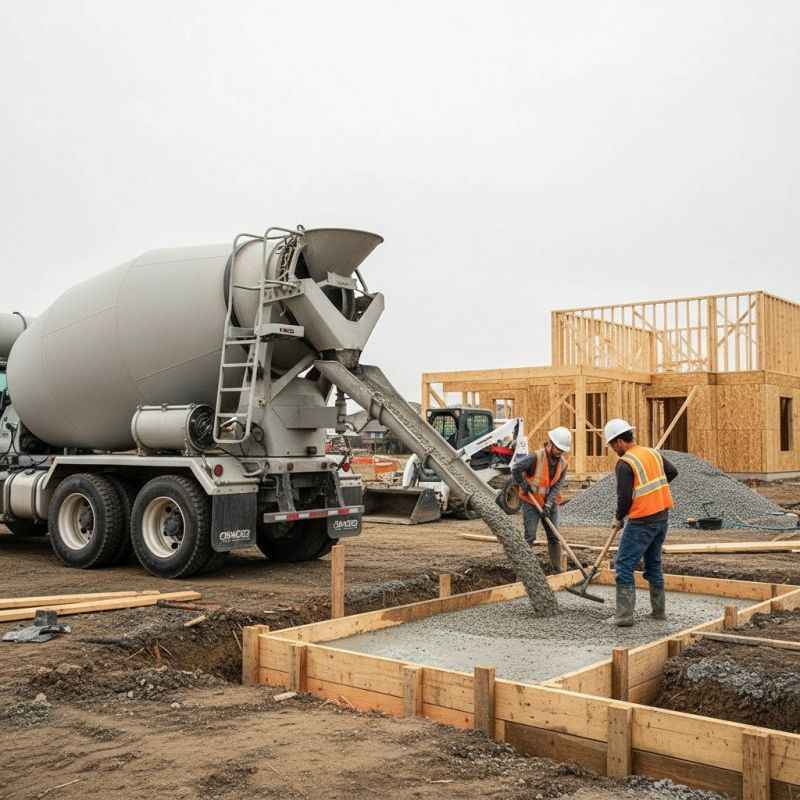
When evaluating contractors for concrete delivery and placement, it is important to consider their experience with projects similar to the one at hand. Service providers who have a history of working in various weather conditions and with different types of concrete applications are more likely to understand how weather can impact delivery timing, mix consistency, and setting times. Asking for examples of past projects or references can provide insight into their familiarity with managing weather-related challenges, ensuring they have the practical knowledge needed to adapt to changing conditions effectively.
Clear written expectations are essential when planning for concrete work affected by weather conditions. Service providers should be able to outline how they plan to handle potential weather disruptions, including procedures for delaying or adjusting delivery schedules, protecting the concrete during adverse weather, and coordinating with other phases of the project. Having detailed communication about these strategies helps ensure everyone is aligned on responsibilities and expectations, reducing the risk of misunderstandings or delays caused by unpredictable weather patterns.
Reputable references and strong communication skills are key indicators of a dependable service provider. When comparing local contractors, it is beneficial to seek out those with positive feedback from previous clients, particularly regarding their ability to manage weather-related issues during concrete delivery and placement. Good communication ensures that homeowners are kept informed about potential weather impacts and any adjustments needed to the project timeline or procedures. This transparency can help foster confidence in the contractor’s ability to handle weather conditions professionally and effectively, leading to a smoother overall experience.
Property owners often search for how weather conditions affect concrete delivery and placement when they are planning practical projects around their homes and businesses. Local pros provide Concrete Delivery services for everyday jobs and straightforward project options.

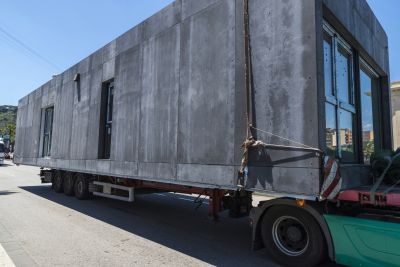
Weather conditions play a significant role in concrete delivery and placement for many everyday projects around the area. For property owners planning to pour a driveway, patio, or foundation, understanding how factors like rain, temperature, and humidity can impact the process is important. Unfavorable weather, such as rain or extreme heat, can cause delays or affect the quality of the concrete, making it essential to work with experienced local contractors who know how to adapt to changing conditions and ensure a proper pour.
Many property owners look into concrete delivery services from local service providers to help manage these weather-related challenges. Skilled local contractors can coordinate delivery schedules to avoid bad weather, use specialized techniques or additives to counteract temperature extremes, and implement proper curing methods. This ensures that the concrete sets correctly, reducing the risk of cracks or other issues caused by weather fluctuations. Connecting with local pros can help keep a project on track, despite the unpredictable nature of weather conditions affecting concrete delivery and placement.
How do rain and moisture impact concrete delivery and placement? Rain and excess moisture can cause delays in concrete setting and may weaken the final product. Local contractors often adjust delivery methods or timing to minimize issues caused by wet weather conditions.
Can extreme heat affect the process of placing concrete? Yes, high temperatures can accelerate concrete curing, leading to cracking or reduced strength. Local pros may implement cooling measures or modify placement techniques to ensure proper setting in hot weather.
What challenges do cold weather conditions pose for concrete delivery? Cold weather can slow down curing and increase the risk of freezing, which damages the concrete. Service providers might use heated mixes or additives to counteract cold weather effects during placement.
How do windy conditions influence concrete placement? Wind can cause rapid evaporation of moisture from the concrete surface, leading to surface cracking and weak spots. Local contractors may use windbreaks or cover materials to protect the concrete during windy days.
Why is it important to consider weather when scheduling concrete delivery and placement? Weather conditions directly affect the workability, setting time, and durability of concrete. Experienced local service providers can adapt their techniques to ensure quality despite varying weather challenges.
Monitoring weather forecasts helps property owners plan concrete delivery when conditions are suitable, reducing delays and material issues. Scheduling concrete placement during mild weather can improve work quality and minimize the risk of cracking or setting problems. Preparing for temperature fluctuations allows local contractors to use appropriate additives or techniques to ensure proper curing and strength. Adjusting for rain or wind ensures that concrete is protected and placed safely, with local pros providing guidance on weather-related considerations.
If you are thinking about how weather conditions affect concrete delivery and placement for a property, this guide is meant to help you understand this topic, the typical project types, and how different options might fit your plans.
When you are ready, you can use the quote form on this page to share a few details about your project. From there, local pros can review the basics and follow up with options that match what you have in mind.