Commercial Concrete Delivery vs. On-Site Mixing for Job Efficiency
People seeking commercial concrete delivery often want efficient, reliable concrete supply options; local service providers can help by offering expert delivery solutions tailored to your project needs.
Understanding the differences between commercial concrete delivery and on-site mixing can significantly impact the efficiency of construction projects for property owners and developers in the area. Whether managing a large commercial build or a smaller renovation, selecting the right method can influence project timelines, quality control, and overall workflow. Local contractors who specialize in commercial concrete delivery are equipped to provide reliable, timely service that helps keep projects on track, while those offering on-site mixing may be better suited for specific situations requiring tailored batch sizes or unique mix designs. Exploring these options allows property owners to make informed decisions that align with their project goals and operational needs.
As property owners evaluate how to optimize their construction processes, understanding the practical benefits of commercial concrete delivery versus on-site mixing becomes essential. Local service providers who handle commercial concrete delivery can offer insights into how this approach might streamline your project, reducing delays and minimizing on-site labor. Keep reading to learn more about the advantages of each method and how local contractors can support efficient, high-quality results tailored to your specific project requirements.
- **Commercial Concrete Delivery** - ideal for large-scale projects requiring consistent, ready-mixed concrete delivered directly to the site for efficient pouring.
- **On-Site Mixing** - suited for small or custom jobs where precise concrete mixes are needed on demand, with local contractors managing the mixing process on-site.
- **Commercial Concrete Delivery** - preferred when minimizing on-site labor and speeding up project timelines, as local service providers handle the transportation of pre-mixed concrete.
- **On-Site Mixing** - beneficial for remote or hard-to-access locations where local pros can set up portable mixers to produce concrete as needed.
- **Commercial Concrete Delivery** - often chosen for projects demanding high-volume concrete supply, with local contractors coordinating delivery schedules for optimal job flow.

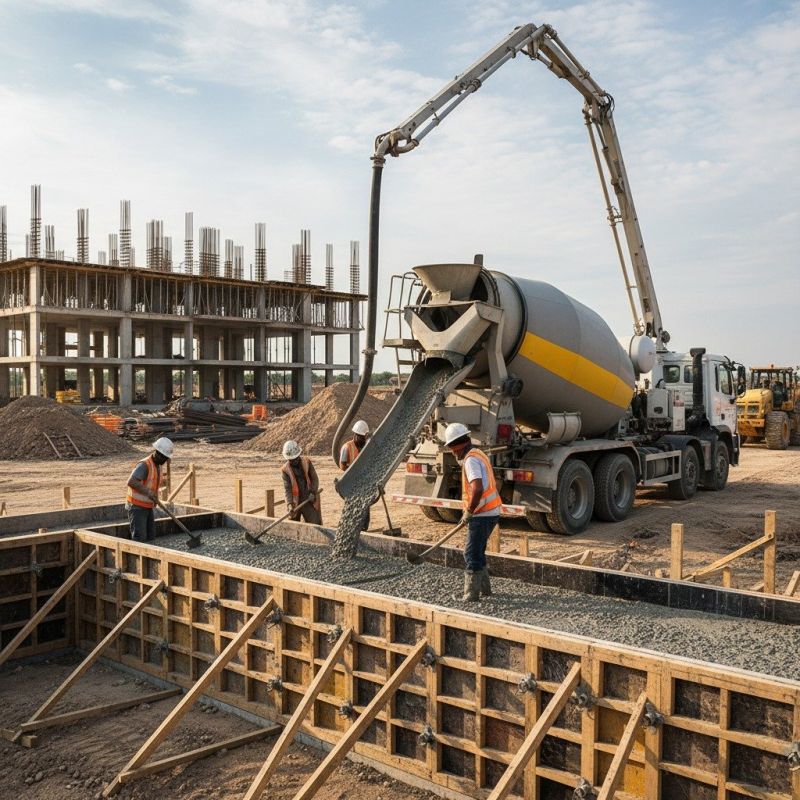

When searching for information on commercial concrete delivery versus on-site mixing for job efficiency, most people are looking to understand which method best suits their construction or renovation project. This topic often comes up in the context of planning large-scale building developments, commercial property improvements, or even sizable residential projects like multi-unit housing or industrial facilities. Homeowners and contractors alike want to know how each approach impacts project timelines, labor requirements, and overall quality. The goal is to find a solution that streamlines the process, reduces delays, and ensures the concrete used meets the necessary strength and consistency standards for the specific property type.
This comparison relates closely to common construction problems such as coordinating delivery schedules, managing on-site labor, and maintaining concrete quality. For projects requiring large volumes of concrete, timing is critical to prevent delays and minimize waste. Property types that typically come up in these discussions include commercial warehouses, office buildings, parking structures, and multi-family residential complexes. These properties often demand high volumes of concrete delivered efficiently, making the choice between commercial concrete delivery and on-site mixing a key factor in project success. Understanding the advantages and limitations of each method helps property owners and contractors plan more effectively and avoid costly setbacks.
In practical terms, commercial concrete delivery involves ordering ready-mixed concrete from a supplier, who transports it in a specialized truck directly to the site. This method is often preferred for large-scale projects because it offers convenience, consistent quality, and the ability to meet tight schedules. On-site mixing, on the other hand, involves combining raw materials like cement, sand, gravel, and water directly at the job site, often using portable mixers. While this approach can provide flexibility for smaller or more customized pours, it may require more on-site coordination and labor. Local service providers specializing in commercial concrete delivery can help determine which method aligns best with the scope and demands of a particular property or project.
For property owners and contractors, understanding how each approach affects job efficiency is essential for successful project execution. Commercial concrete delivery from local pros ensures that the right amount of high-quality concrete arrives exactly when needed, reducing delays and minimizing waste. Meanwhile, on-site mixing might be suitable for smaller projects or situations where customization is critical, but it can introduce logistical challenges that impact overall efficiency. By comparing these options with the help of experienced local service providers, property managers can make informed decisions that support timely completion, cost control, and quality standards. This clarity helps ensure that the chosen method aligns with the specific needs of the property type and project scope, ultimately contributing to a smoother construction process.
Precast Concrete Projects - These projects often rely on precise delivery and handling of concrete, making the choice between commercial concrete delivery and on-site mixing relevant for efficiency and quality control.
Large-Scale Foundation Work - Foundation construction benefits from reliable concrete delivery options to ensure consistent flow and setting times, reducing on-site delays.
Industrial Building Construction - Such projects require extensive amounts of concrete, where local contractors can provide efficient delivery solutions to keep the project on schedule.
Bridge and Infrastructure Projects - These projects depend on timely concrete supply, with local service providers offering delivery methods that support large-volume and rapid placement needs.
High-Rise Building Foundations - The complexity of high-rise foundations demands coordinated concrete delivery to meet the demands of vertical construction timelines.
Parking Garage Construction - Efficient concrete delivery from local contractors helps streamline the pouring process, minimizing downtime and ensuring structural integrity.

When comparing service providers for commercial concrete delivery versus on-site mixing, it is important to assess their experience with similar projects. Contractors who have a proven track record handling jobs comparable in size and scope can better ensure that the delivery process aligns with the specific demands of the work. Experienced local contractors will understand the complexities involved in managing concrete for larger commercial projects, helping to avoid delays or issues that could impact overall job efficiency. Gathering references or examples of past work can provide insight into their capability to handle your project's unique requirements and help determine whether their expertise aligns with your needs.
Clear written expectations are essential when evaluating local service providers for concrete delivery options. A reputable contractor should be able to provide detailed descriptions of their services, including delivery schedules, batching procedures, and how they coordinate with the construction timeline. This clarity helps prevent misunderstandings and ensures that everyone involved has a shared understanding of the process. When considering on-site mixing, it’s also important to understand how the contractor manages quality control and consistency, which can impact the overall efficiency of the project. Well-defined expectations contribute to smoother operations and can help identify potential challenges early on.
Reputable references and effective communication are vital factors when choosing between commercial concrete delivery and on-site mixing. Service providers with positive references from previous clients demonstrate reliability and professionalism, giving confidence that they can meet project demands. Good communication ensures that any questions or issues are addressed promptly, reducing the risk of delays or mistakes. Whether opting for delivery or on-site mixing, selecting local contractors who are transparent and responsive can significantly enhance project coordination and overall job efficiency. Prioritizing providers with a strong reputation and clear communication can make a meaningful difference in the success of the concrete work.
Property owners often search for commercial concrete delivery vs. on-site mixing for job efficiency when they are planning practical projects around their homes and businesses. Local pros provide Commercial Concrete Delivery services for everyday jobs and straightforward project options.

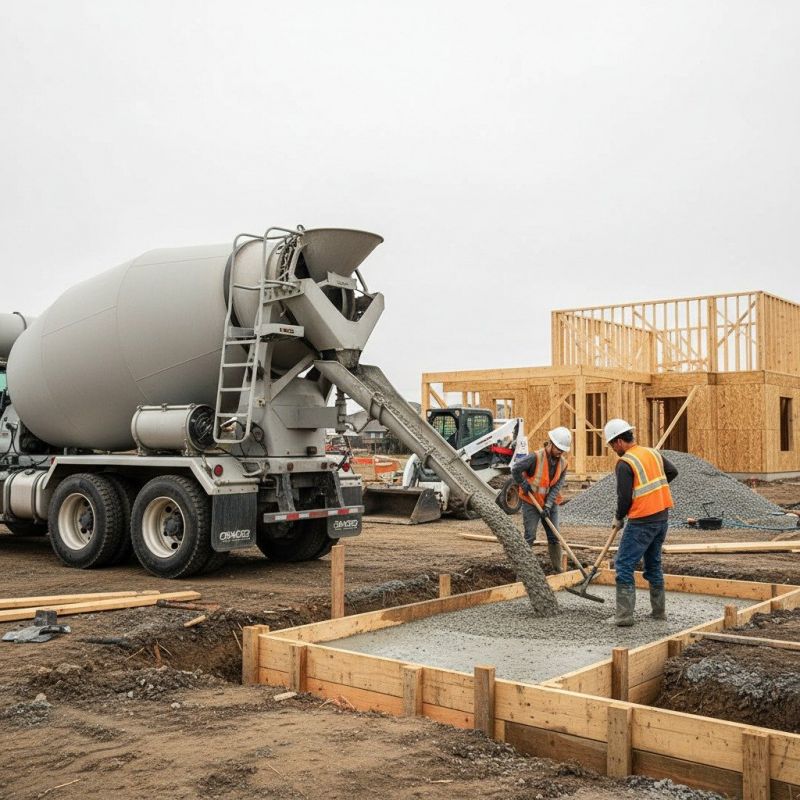
When managing a construction or renovation project, property owners often compare commercial concrete delivery versus on-site mixing to determine which approach enhances job efficiency. For smaller projects or those with tight timelines, relying on commercial concrete delivery services can streamline the process by providing ready-mixed concrete in the exact quantities needed, saving time and reducing on-site labor. Local contractors offering these services typically have access to a fleet of mixers that can deliver consistent, quality concrete directly to the job site, helping property owners avoid the complexities of mixing on-site or managing multiple trips for supplies.
On-site mixing might seem appealing for flexibility or smaller-scale tasks, but it often requires more planning, equipment, and labor, which can slow down progress on larger projects. Property owners seeking to maximize efficiency may find that working with local service providers who specialize in commercial concrete delivery ensures a steady, reliable supply, allowing for smoother workflow and fewer delays. These local pros can handle the logistics of delivering concrete in a timely manner, helping property owners keep their projects on track without the need to coordinate multiple steps or worry about inconsistent mixes.
What are the main differences between commercial concrete delivery and on-site mixing? Commercial concrete delivery involves transporting ready-mixed concrete from a supplier directly to the job site, while on-site mixing requires mixing concrete on the location using raw materials. Local contractors can provide either service, depending on project needs.
How does commercial concrete delivery impact job efficiency compared to on-site mixing? Commercial concrete delivery typically offers quicker, more consistent supply, reducing downtime and labor costs, which can enhance overall job efficiency. Local service providers can recommend the best option based on project size and scope.
Are there specific project types better suited for commercial concrete delivery? Larger or time-sensitive projects often benefit from commercial concrete delivery due to its speed and consistency. Local pros can assess project requirements to determine if this method improves efficiency.
Can on-site mixing be more practical for certain job conditions? On-site mixing may be suitable for smaller projects, remote locations, or when specific mix adjustments are needed on the spot. Local contractors can advise on the most efficient approach for these situations.
What role do local service providers play in ensuring job efficiency with these methods? Local pros can help evaluate project needs, recommend the appropriate method, and handle the logistics to maximize efficiency, whether through commercial concrete delivery or on-site mixing.
Evaluating delivery options - Property owners can assess whether commercial concrete delivery services or on-site mixing best suit their project size and complexity, ensuring efficient use of resources.
Scheduling for efficiency - Coordinating delivery times with local contractors helps maintain a steady workflow, reducing delays caused by mixing or transportation issues.
Quality control considerations - Understanding how commercial concrete delivery ensures consistent mix quality can lead to fewer on-site adjustments and better project outcomes.
Choosing the right service provider - Connecting with experienced local contractors allows property owners to select the most suitable concrete delivery method for their specific project needs.
If you are thinking about commercial concrete delivery vs. on-site mixing for job efficiency for a property, this guide is meant to help you understand this topic, the typical project types, and how different options might fit your plans.
When you are ready, you can use the quote form on this page to share a few details about your project. From there, local pros can review the basics and follow up with options that match what you have in mind.